Few places in Europe let a golfer chase the sun in January with the same ease as they would in June. The Canary Islands sit on the same latitude as the Sahara yet are cooled by the Atlantic trade winds — a happy accident of geography that gifts
Few places in Europe let a golfer chase the sun in January with the same ease as they would in June. The Canary Islands sit on the same latitude as the Sahara yet are cooled by the Atlantic trade winds — a happy accident of geography that gifts them a fairway-perfect climate when the rest of the continent is locked in frost. To stand on a tee at Tenerife or Gran Canaria in midwinter, in shirtsleeves, with the ocean glittering below, is one of golf’s quiet luxuries.
But year-round playability is not the same as every month being equal. The light shifts, the trade winds rise and fall, the courses drink in the winter rains and the islands fill and empty with the seasons. Knowing precisely when to travel — and to which island — is the difference between a good golf holiday and an unforgettable one. Here is how the Canary golfing year truly unfolds.
The peak escape: December to March
This is the season that built the Canaries’ reputation. While northern Europe shivers, the islands hold steady in the low-to-mid 20s°C by day, the skies are reliably clear and the fairways — refreshed by the modest winter rains — are at their greenest. It is the time to swap the driving-range mat for a real tee time, and the islands know it: this is their golfing high season.
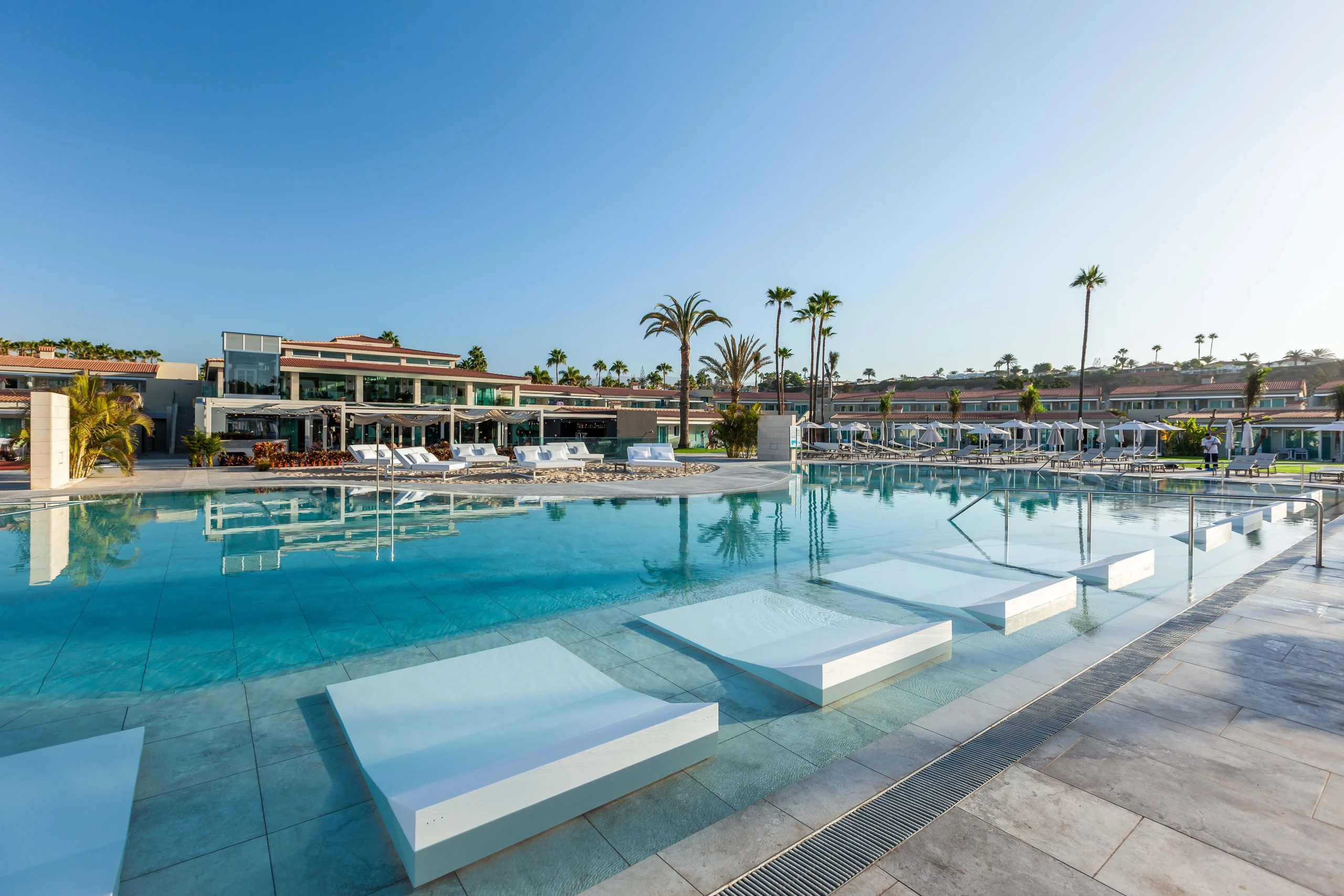
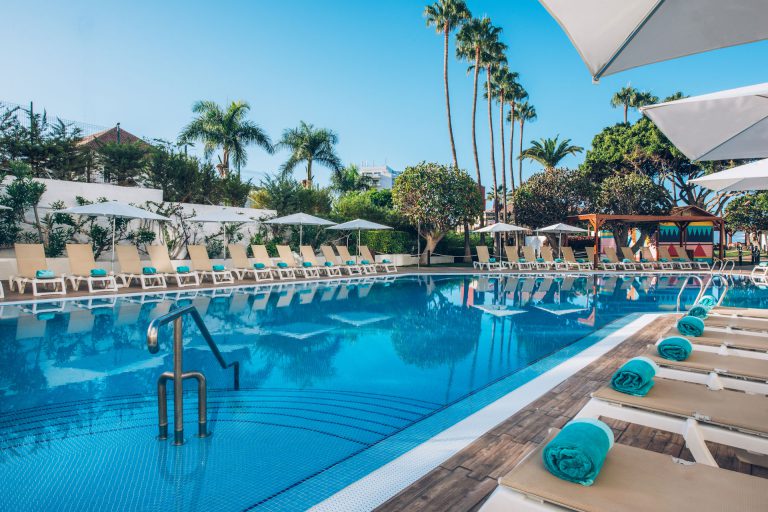
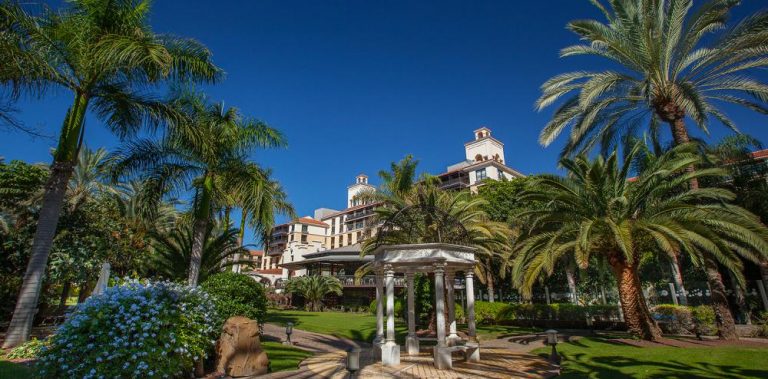
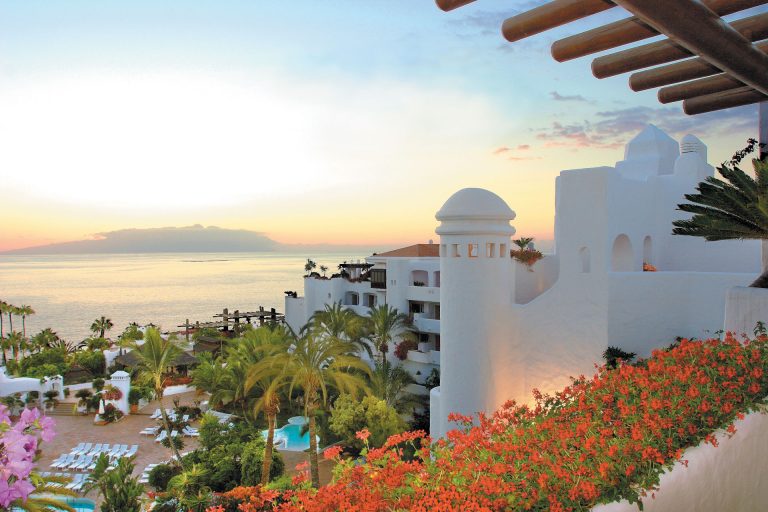
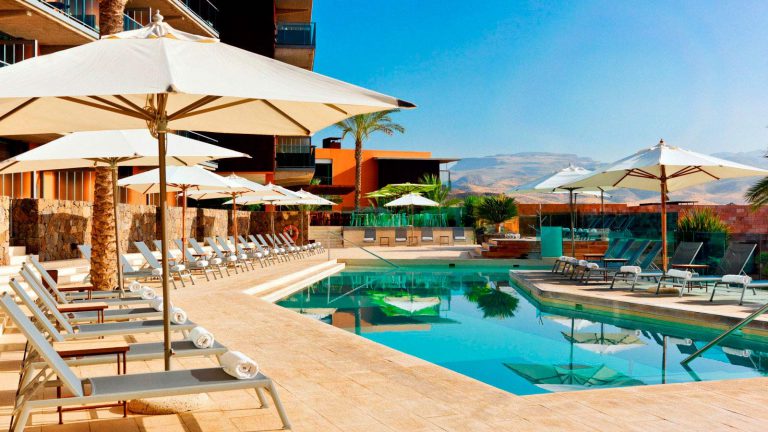
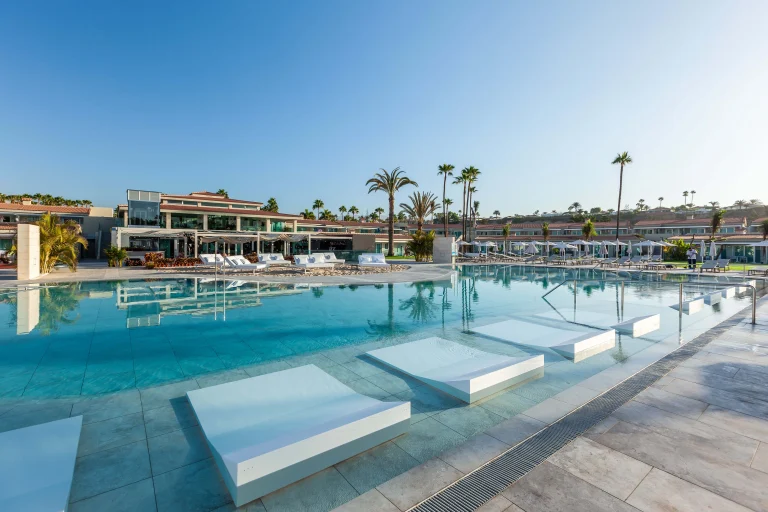
Tenerife and Gran Canaria are the natural winter bases. Settle into Hotel Dreams Jardin Tropical or Iberostar Bouganville Playa in Costa Adeje on Tenerife, or Lopesan Costa Meloneras in Meloneras for the broad, warm sweep of southern Gran Canaria. With courses busier and tee times prized, this is the window to plan early and let a specialist secure the best of them.
The connoisseur's choice: the shoulder seasons
For golfers who value space as much as sunshine, the shoulder months are the islands’ best-kept secret. Late October into November, and again from March into early April, deliver everything the peak offers — warmth, light, immaculate turf — with markedly fewer players ahead of you and a gentler, more unhurried rhythm across the resorts. The courses, watered through winter, are often in their finest condition of the year.
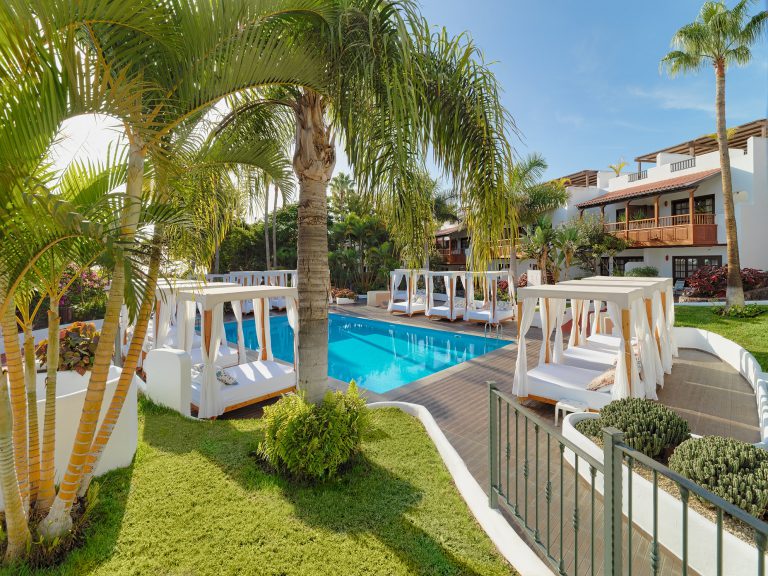
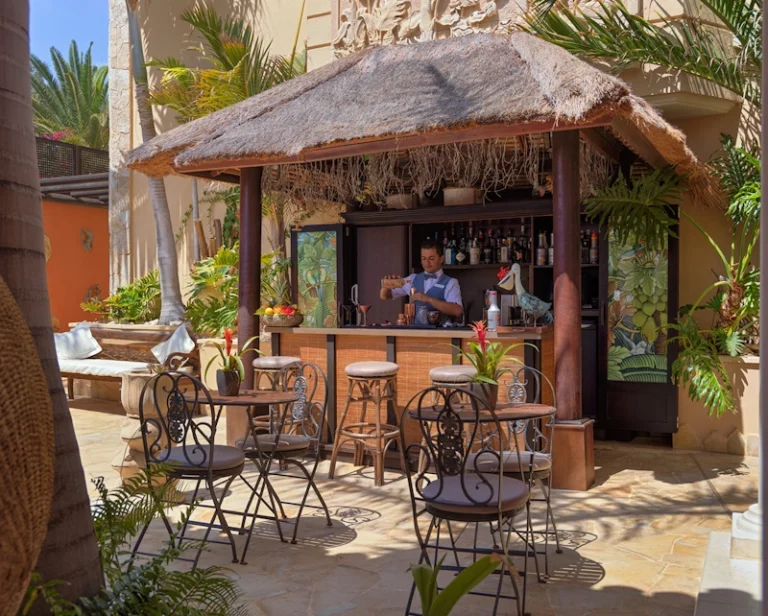
These are the value windows too, falling between the Christmas and Easter escapes. They suit the traveller who wants the islands a little to themselves: an early round at Melia Hacienda del Conde in Buenavista, on Tenerife’s quieter north-west, or a stay at the adults-only calm of Hotel Suite Villa Maria in Adeje. For many of our regulars, this is the only time they will travel.
Where our specialists would stay in Canary Islands
High summer and the lesser-known islands
Summer — June through September — remains entirely playable, but the character changes. The heat builds, the resorts fill with beach-holiday crowds and the wise golfer takes an early tee time and is back at the pool by lunch. The eastern islands of Fuerteventura and Lanzarote, drier and flatter, can occasionally see the calima, a warm Saharan haze, most often in late summer; it passes, but it is worth knowing.
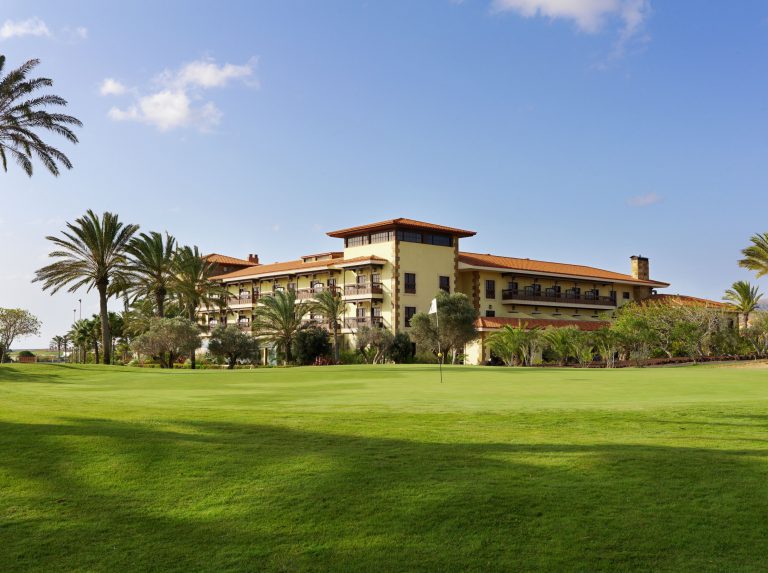
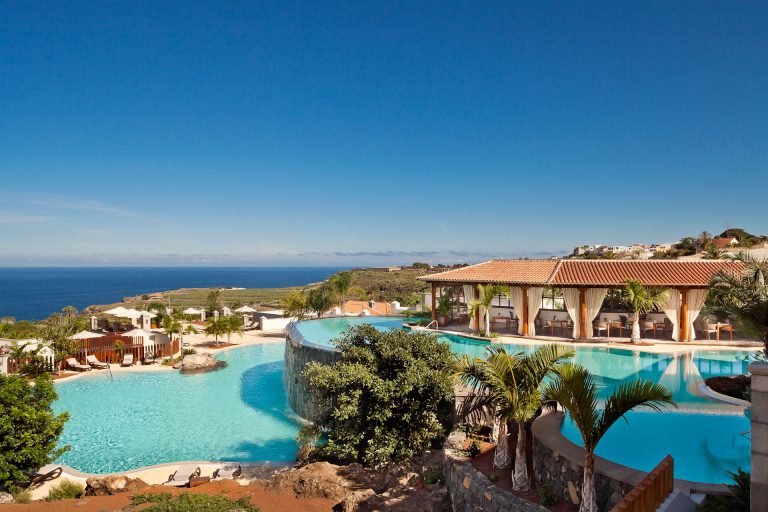
Summer is also the moment to look beyond the headline islands. Fuerteventura rewards with the Sheraton Fuerteventura Beach, Golf and Spa Resort and the boutique Elba Palace Golf and Vital Hotel, while a sail to La Gomera and the serene Hotel Jardin Tecina offers a different, gentler island entirely. These quieter corners hold their composure when the larger resorts are at their fullest.
Matching the island to the month
The art of a Canaries golf trip lies in pairing the right island with the right season. For midwinter certainty, Tenerife’s southern resorts — among them the 1881 Tenerife Madrigueras Golf Hotel or Kumara Serenoa near Maspalomas on Gran Canaria — deliver dependable warmth and a full roster of golf on the doorstep. For spring and autumn, the whole archipelago opens up, and the choice becomes one of mood rather than weather.
Because these are islands, not a single resort strip, no two trips need look alike: a week split between Tenerife and La Gomera, a quiet golf-and-spa retreat on Fuerteventura, or a sun-sure Gran Canaria base for the depths of winter. The season sets the stage; the rest is hand-built. That is where a specialist, who knows each course and each month, earns their place.
Our specialists’ favourite stays in Canary Islands
What our golfers say
4.997 reviews
Having used Golf Planet Holidays for our Golf trips for a number of years, we of course got in touch with Nigel and Simon to arrange this years trip to Tenerife. As always the trip was arranged exactly as requested and the team at Golf …
Golf Planet Holidays always find us a good location and the facilities we want to make the trip tailored to our needs. The staff offer good advice and present different options. They helped us choose this 10day trip to play golf in Gran Canaria and we…
Stayed at Lopesan Costa Melanoras. Fantastic hotel. Didn't feel too large as there is plenty of space and the gardens are extensive. All golf tee times booked for us at 4 different courses just a short distance from the hotel. Variety of courses :Anfi Tauro and…
What a golf break here costs by month, ES
| 0.86 | 0.92 | 1.00 | 1.00 | 1.00 | 1.00 | 1.11 | 1.12 | 1.03 | 1.01 | 0.94 | 0.87 |
| Jan | Feb | Mar | Apr | May | Jun | Jul | Aug | Sep | Oct | Nov | Dec |
|---|
Frequently asked questions
Can you really play golf in the Canary Islands all year round?
Yes. Cooled by the Atlantic trade winds despite their southern latitude, the islands enjoy daytime temperatures in the low-to-mid 20s°C even in the depths of winter. Golf is genuinely a year-round pursuit here — the only real decision is which season, and which island, best suits the trip you have in mind.
When is the quietest time to play?
The shoulder seasons — late October to November, and March into early April — are the most peaceful, falling between the Christmas and Easter escapes. The weather remains beautiful and the courses are immaculate, but the fairways and resorts are noticeably calmer, which is why many seasoned golfers prefer these windows above all others.
What is the weather like in the Canaries' golf high season?
From December to March, expect reliably clear skies, daytime warmth in the low-to-mid 20s°C and cooler, comfortable evenings. The occasional winter rain keeps the courses lush. Mornings and late afternoons offer the loveliest light for play — and a welcome respite from a northern European winter.
Is my Canary Islands golf holiday financially protected?
Absolutely. Golf Planet Holidays has arranged hand-built golf travel since 1981, and your trip is ATOL Protected where flights are included, with your money held securely in trust through PTS until the day you travel. It is the quiet reassurance that lets you focus entirely on the golf and the islands.
Come and play with us
Wherever you're travelling from, you're welcome on a Golf Planet hosted tour — a small group, a host with you from the first tee to the last, and every round, transfer and dinner taken care of. You just bring the clubs.