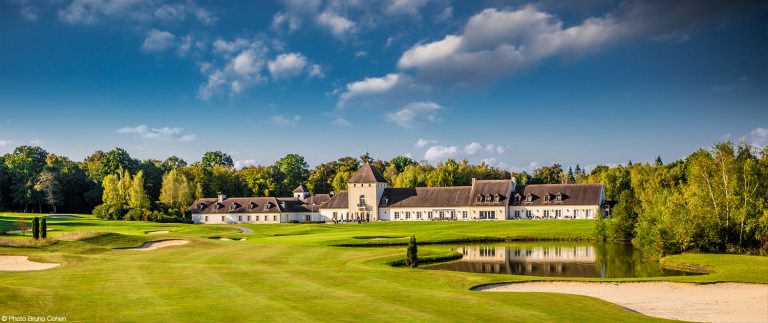
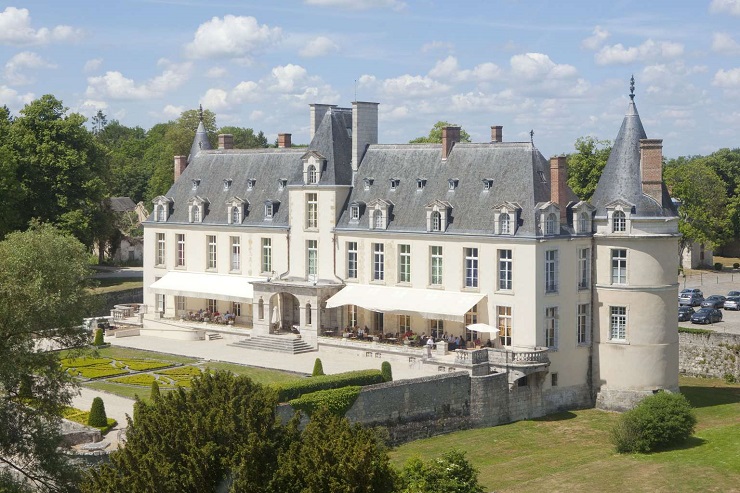
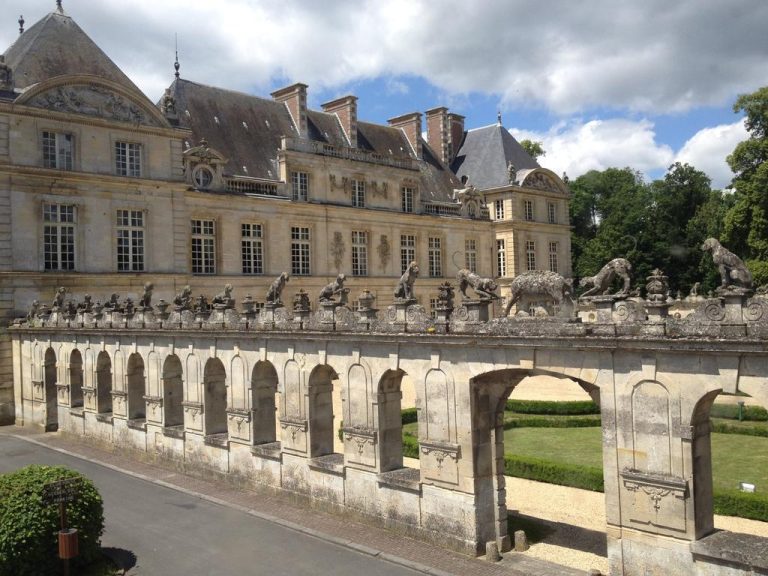
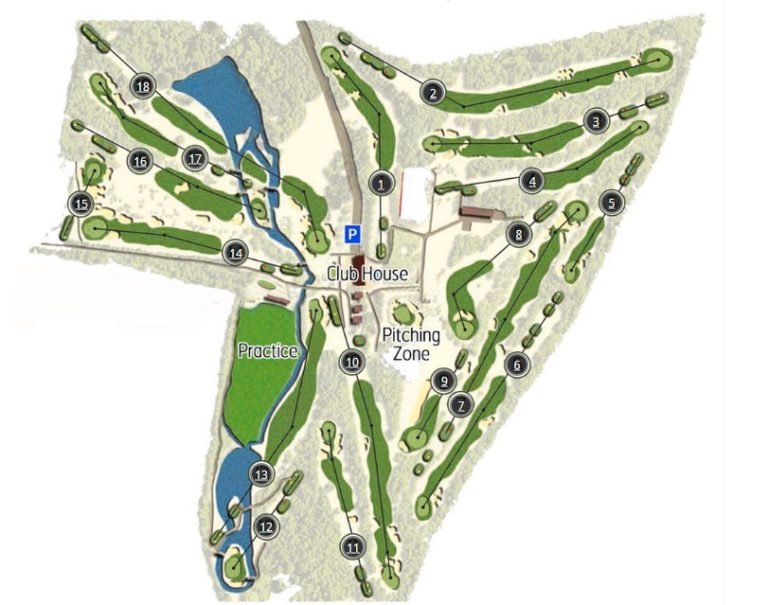
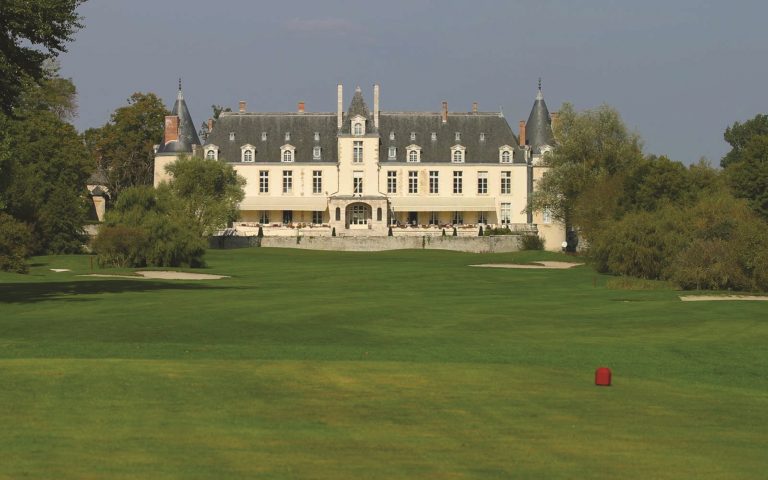
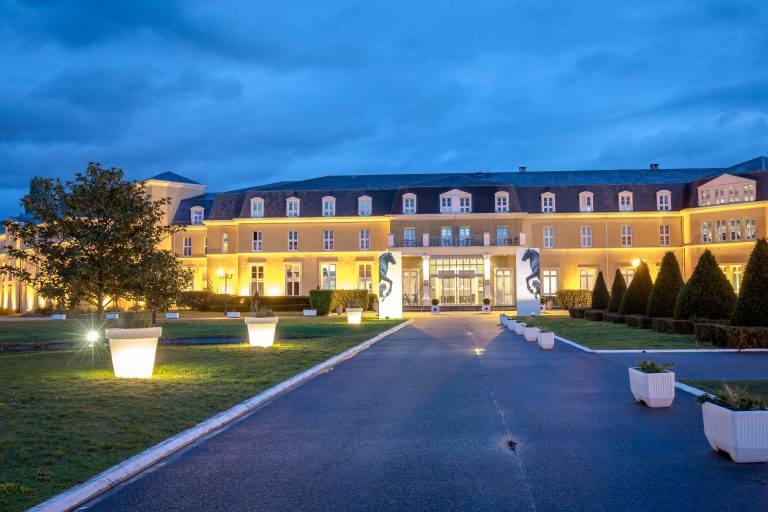
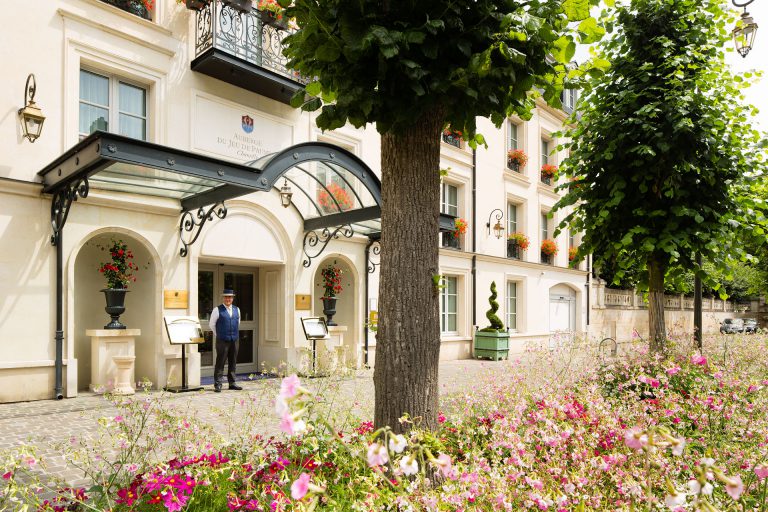
Vineuil at Chantilly runs through the racing forest, fifteen of its holes laid out by Tom Simpson, and you can drive the whole way with the LeShuttle crossing booked in. Sleep at the Auberge du Jeu de Paume beside the château, or south by Fontainebleau at Augerville, where the closing hole finishes under the castle walls.
★★★★★4.9 from real golfers
· 15 courses · from £320pp (≈ €375) (≈ $425) (≈ CA$595) (≈ AU$605) (≈ NZ$745) (≈ CHF 345) (≈ kr 4,005) (≈ kr 4,215) (≈ kr 2,835) · ATOL-protected where flights are added
Golf holidays in Around Paris start from £320 (≈ €375) (≈ $425) (≈ CA$595) (≈ AU$605) (≈ NZ$745) (≈ CHF 345) (≈ kr 4,005) (≈ kr 4,215) (≈ kr 2,835) per person, across 15 courses we can book, 6 hotels and resorts we sell. Sold ground-only, hand-priced around your dates, and arranged by us since 1981.
A hand-priced quote, no obligation, and no call centre.
Few capitals fold golf so quietly into their hinterland as Paris. Drive an hour in almost any direction and the city gives way to forest, château country and some of the most respected courses in continental Europe. North lies Chantilly, with its racing heritage and a cluster of fine clubs; south, the great oak and pine of Fontainebleau; west, the leafy clubs of Versailles. It is golf with a sense of occasion, set among horses, hunting forests and history.
We have arranged France golf since 1981. Every itinerary is hand-built and hand-priced around your dates, your group and the courses you want to play.
Why play golf in Around Paris
A genuine spread of championship and classic parkland golf within easy reach of one city — Chantilly Vineuil, Fontainebleau and Golf National's Albatros all in the same trip
Three distinct golf countries to base around: Chantilly to the north, Fontainebleau to the south, Versailles to the west
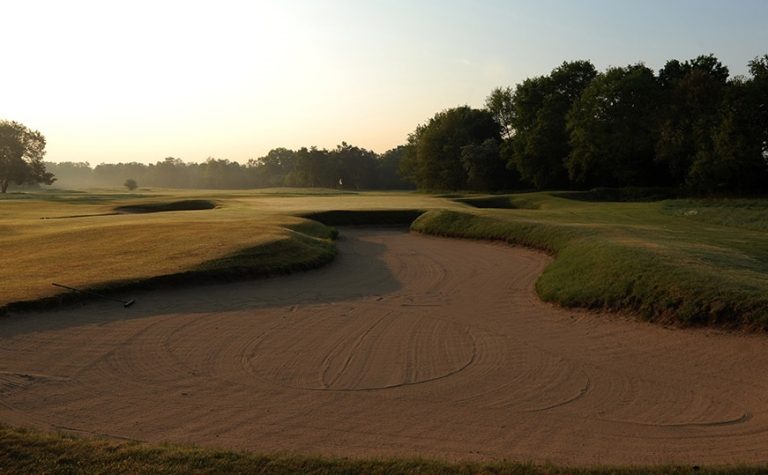
Heathland and forest courses cut through ancient oak and pine, a style rarely found this close to a major capital
Golf National's Albatros — host of the Ryder Cup and the French Open — alongside its companion Aigle layout
Château hotels and Relais et Châteaux comfort within striking distance of the first tee
A short, easy hop from the UK, making long weekends as workable as a full week
The courses you’ll play
The headline names sit in two camps. Out at Golf National, the Albatros course is the modern stadium test that hosted the Ryder Cup, with its companion Aigle course offering a gentler but still characterful round. For classic continental golf, Chantilly Vineuil and Chantilly Longeres are revered parkland-and-heath layouts in the racing town of Chantilly, joined nearby by the International Club du Lys and Apremont.
South of the city, Fontainebleau threads through forest and rock, with Cely, Vaugouard, Augerville and Orleans Donnery rounding out the choice. To the west near Versailles sit Saint Cloud and Saint Germain, while L'Isle Adam and Château de Raray add further variety around Chantilly and Senlis. We hand-pick the rotation to suit your group.
Where you’ll stay
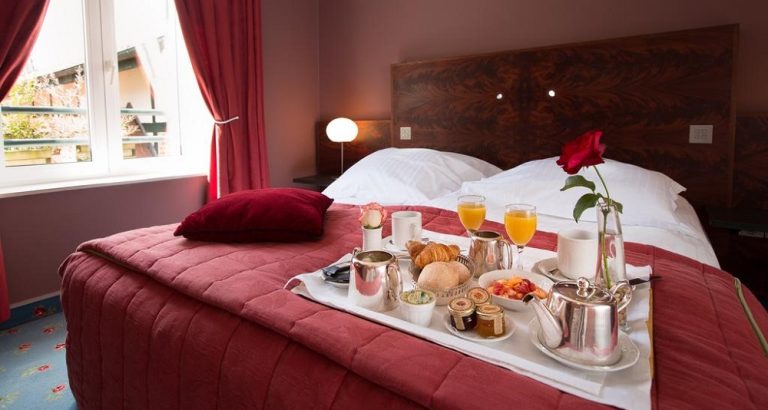
Where you stay tends to follow where you want to play. Around Chantilly, the Relais et Châteaux Auberge du Jeu de Paume brings genuine château-town polish, close to the Vineuil, Longeres and Lys clubs. South, near Augerville and the Fontainebleau forest courses, the Château d'Augerville pairs a historic setting with golf on the doorstep.
To the west, in the orbit of Versailles and its Saint Cloud and Saint Germain courses, La Residence du Berry offers a comfortable, well-placed base for exploring the city and the western clubs. We match the hotel to your courses and your pace, rather than the other way around.
Best time to play golf in Around Paris
Around Paris, golf is very much a summer game. The courses here are inland parkland and forest layouts that come into their own from late spring through early autumn — roughly May to September — when the days are long, the fairways are running and the forest air is at its most pleasant.
June and September are particularly rewarding: warm, settled and quieter than high summer, with the courses in excellent condition. Winter is cool and often wet, and many inland French courses play soft and short in the colder months, so we steer most clients to the warmer half of the year for the best of the golf.
A sense of Around Paris
History & heritage
This is golf wrapped in some of France's grandest history. Chantilly is château and racing country — its great house, stables and forest set the tone for the clubs around it. To the west, Versailles needs little introduction, the palace and its gardens framing the golf at Saint Cloud and Saint Germain.
South lies Fontainebleau, the royal hunting forest and palace that gives its name to the course threading through the trees. A trip here is as much about the setting as the scorecard: ancient forests, hunting lodges turned hotels, and the constant sense that Paris and its history are never far away.
Food & wine
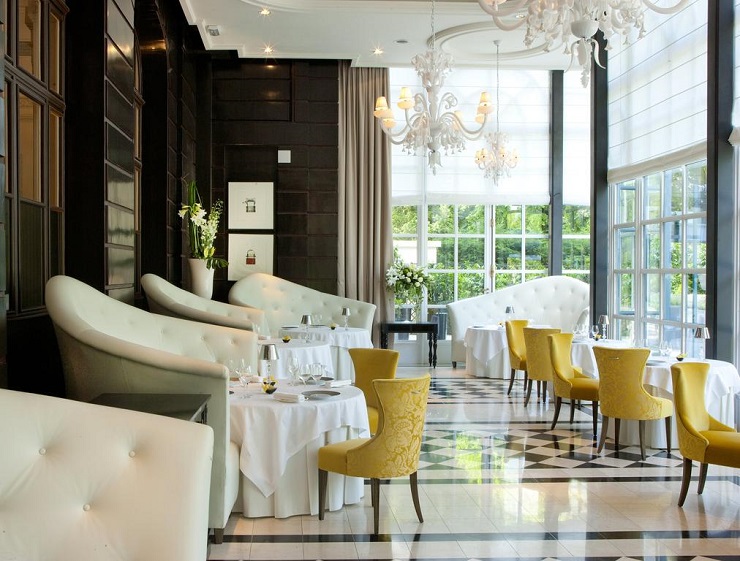
This is, after all, France — and the table matters as much as the tee. Expect proper regional cooking around your base, from the refined dining of a Relais et Châteaux table at the Auberge du Jeu de Paume to the kind of long, unhurried lunches that make a golf trip here feel like a holiday rather than a fixture.
Chantilly lends its name to the famous cream, the château towns keep good cellars, and Paris itself is within easy reach for an evening of serious dining. We are happy to point you towards the right tables near your courses, or to keep things simple at the clubhouse.
Beyond the fairways
Few golf destinations offer this much off the course. Paris is on the doorstep for those who want a day of galleries, boulevards and dining, while the surrounding country rewards a slower pace.
Chantilly's château, grand stables and the surrounding forest, deep in French racing country
Versailles — the palace and gardens — minutes from the Saint Cloud and Saint Germain courses
The Fontainebleau forest and palace, a royal retreat turned walking and cycling country
Senlis, near Château de Raray, a beautifully preserved medieval town
Paris itself for art, food and shopping, an easy day or evening out
Getting around & exploring
A trip around Paris works best with a car. The three golf clusters — Chantilly to the north, Fontainebleau to the south, Versailles to the west — sit on different sides of the city, and a hire car lets you move between courses, château hotels and the sights at your own pace.
Distances are short and the roads are good, so basing yourself in one area and venturing out for a round elsewhere is entirely workable. If you would rather not drive, we can arrange private transfers between your hotel and the courses, which many groups prefer for relaxed evenings and an unhurried glass over dinner.
Good to know before you book
Getting there
The Paris region is one of the easiest golf destinations to reach from the UK, served by the city's major airports with frequent flights from across Britain and Ireland. From there it is a short drive out to the golf country around Chantilly, Fontainebleau or Versailles.
Flights are arranged separately as an ATOL-protected add-on — we are a ground-only operator, so your golf, hotels and transfers are booked by us, and we can help coordinate the flights that suit your dates. The Eurostar and the Channel ports also make driving over an appealing option for groups who want their own car for the week.
Good to know
We are a hand-built, ground-only operator: golf, hotels and transfers are arranged by us, with flights available as a separate ATOL-protected add-on
The golf splits into three areas — Chantilly (north), Fontainebleau (south) and Versailles (west) — worth knowing when you choose a base
Best played May to September; these inland courses can play soft and short in the cooler, wetter months
Some of the finest clubs here are traditional and prized — we use our relationships, built since 1981, to arrange access and tee times
A car or private transfers make moving between the clusters straightforward
Pace is part of the appeal: long lunches, château hotels and Paris on the doorstep
Every itinerary is hand-built and hand-priced around your group, your dates and the courses you most want to play
★ 4.9 from real golfers · PTS Protected · ATOL for flights · Arranging golf since 1981
Frequently asked questions
Golf holidays in Around Paris. The questions our golfers ask most.
How long is LeShuttle crossing time to France
The Eurotunnel LeShuttle from Folkestone to Calais takes about 35 minutes, which makes a self-drive trip genuinely easy for the Northern France golf resorts. Le Touquet, Hardelot and the courses around the Somme are roughly two to three hours on from Calais, so you can load the clubs, drive on and be on the first tee the same day, and on those breaks we can include the crossing in the price. For the south and southwest, such as Biarritz, the Riviera and Provence, most golfers fly into Nice, Marseille, Biarritz or Bordeaux and we arrange transfers on the ground.
How much does a golf holiday in France cost?
Golf holidays in France start from £235 (≈ €275) (≈ $305) (≈ CA$435) (≈ AU$445) (≈ NZ$545) (≈ CHF 255) (≈ kr 2,945) (≈ kr 3,095) (≈ kr 2,085) pp with Golf Planet Holidays. That is a hand-built ground package, and the final price depends on your hotel, the courses you play and the season.
When is the best time to play golf in France?
May, June, September and October are the best months, with comfortable temperatures and courses in peak condition. The south of France stays playable into late autumn.
Where should I play golf in France?
There are more than 700 golf courses in France. As first steps we would recommend Northern France. There are ten great courses here. Chat with us about the various choices if you wish to venture further afield.
How many golf courses are there in France?
We feature 130 courses and 102 resorts across France including Saint Malo Golf Club and Sept Tours Golf Club. Your specialist matches the courses to your group's standard and budget.
Is it easy to get around in France?
Getting around France is straightforward. Self-driving is the most popular option — if you've come via Le Shuttle, you already have your car. Trains are excellent for city-to-city travel, particularly from Paris to Bordeaux (2 hours on the TGV). Within golf regions like the Algarve or Brittany, a hire car gives you the freedom to explore at your own pace. We include all airport or station transfers in our packages and can arrange inter-course transfers, so you're never left without options.
Still have a question? Ask our golf travel team A free quote, no obligation, and no call centre.